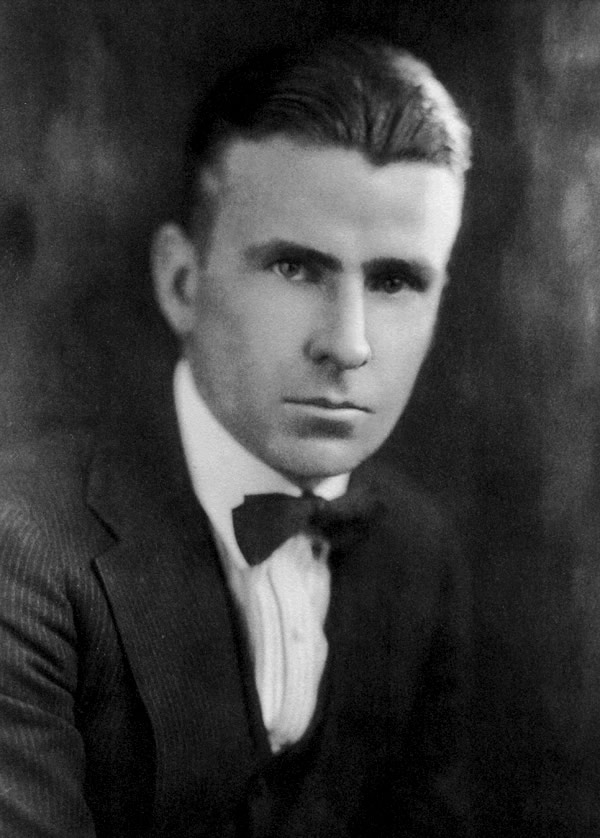
In the 1950s, AT&T Bell Labs was a hotbed of innovation, a place where engineers and theorists came together to invent the transistor and make major contributions to the field of lasers and cell phones. One reason: the leadership of Bell Labs’ research director Mervin Kelly, a 1914 physics graduate.
Kelly “hired the best researchers he could find for the good of the system” – and then got out of their way, wrote Jon Gertner in his 2012 book, The Idea Factory: Bell Labs and the Great Age of American Innovation. “In technology, the odds of making something truly new and popular have always tilted toward failure. That was why Kelly let many members of his research department roam free, sometimes without concrete goals, for years on end.”
Share This Story
Spark a Memory?
Share your story! Fill out the form below to share your fondest memory or anecdote of S&T. If you'd prefer not typing, you can also share by phone at 833-646-3715 (833-Miner150).
Lynnae (Kempf) and Joe Wilson
Lynnae (Kempf) and Joe Wilson met and became friends during their first week on campus as freshmen. “I was on…
NIH’s first woman scientist
Dr. Ida Bengtson was the first woman the National Institutes of Health (NIH) hired as a scientist in 1916. For…
Miner athletics’ biggest fan
Keith Bailey, a 1964 mechanical engineering graduate, transformed a company and then transformed S&T athletics. He joined Williams Co. in…
Year after year, the ‘Best Ever’
Since George Menefee first donned a bishop’s hat and robe and rode a rail handcar into Rolla on March 17,…
Bringing water to those in need
As co-founder of Water.org, Gary White has helped empower more than 29 million people worldwide with access to safe water…
The house that Michael Lancey built
The original Yankee Stadium, completed in 1923, came to be known as “The House That Ruth Built,” in recognition of…